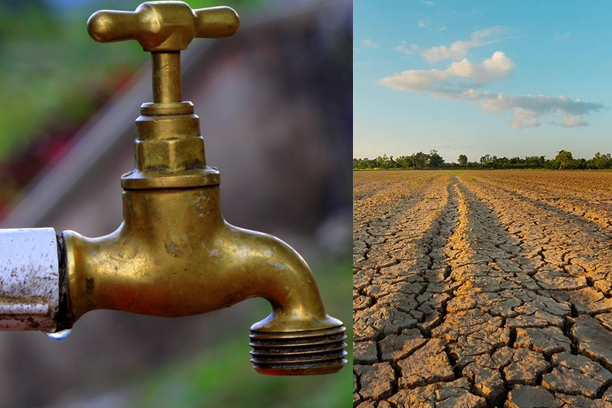
Jamaica could be heading into another period of hotter days and reduced rainfall as climate experts continue to monitor the return of the El Niño weather pattern, a global climate phenomenon known for reshaping weather across the Caribbean.
While El Niño does not guarantee drought or extreme heat, forecasters say the conditions developing in the Pacific Ocean are increasing the likelihood of warmer temperatures and below-average rainfall across Jamaica during the second half of the year.
The Meteorological Service of Jamaica has already cautioned that if current projections hold, rainfall during the summer months and the lead-up to the island’s primary rainy season could be lower than normal. That reduction in rainfall has the potential to place additional pressure on water supplies, agriculture and ecosystems across the country.
For many Jamaicans, the biggest concern is the heat.
El Niño years have historically been associated with above-normal temperatures throughout the Caribbean. Hotter days, longer dry spells and increased evaporation can dry out rivers, reservoirs and farmland more quickly than usual. These conditions also increase the risk of bush fires, particularly in parishes that are already vulnerable during the dry season.
Farmers may feel the impact first.
Reduced rainfall can make it more difficult to maintain crop production, while livestock face additional heat stress. Agricultural experts have been encouraging farmers to prepare by improving water storage, protecting crops from prolonged heat and planning irrigation where possible.
One area where El Niño often creates confusion is hurricane season.
Although the phenomenon typically suppresses hurricane formation in the Atlantic by increasing upper-level wind shear, meteorologists stress that this should not be mistaken as a guarantee of safety. Jamaica remains vulnerable to tropical systems regardless of whether the season is forecast to be above or below average. It only takes one hurricane or tropical storm passing close to the island to cause widespread flooding, landslides and wind damage.
Globally, scientists expect the current El Niño to strengthen over the coming months. The World Meteorological Organization has warned that the climate pattern could intensify between July and September, bringing a range of weather extremes across different regions of the world. In the Caribbean, that generally translates to hotter and drier conditions than normal.
For Jamaica, the coming months will depend on how strongly El Niño develops and how local weather systems interact with it. Even so, climate officials say the public should prepare for the possibility of prolonged heat, lower rainfall and an increased risk of drought, while continuing to take every hurricane threat seriously throughout the season.
As weather patterns become increasingly unpredictable, experts say preparation and no panic remains the best response.